
Charity events for gyms and studios: four ideas that bring your community together
 By Andrew Wallis · Published 29 October 2026 · 10 minute read
The short answer
Choose a cause your members care about, and a charity that will help promote it. Bring in local partners, ask every participant to find sponsors, and make the day fun for families. Then follow up with everyone who came, and invite them back.
Why a charity event works
You want your gym or studio to be part of the community, not just another place with a membership offer. And you'd like more local people to know who you are.
But most marketing feels like selling. Ads cost money, and flyers get ignored. Meanwhile, the people who'd love training with you have never had a reason to walk through your door.
A charity event gives them that reason. Your members bring their family and friends. Local people come along to help a good cause. And you get to show what you're like: friendly, fun and good at what you do.
Done well, it raises money for a cause, brings your members closer together, gets you in the local news, and introduces you to people who'd never answer an ad.
Push-ups for Charity: how it works
The event I know best is Push-ups for Charity, a format developed by NPE, the fitness business coaching company. The idea is simple:
- Participants do as many push-ups as they can in 90 seconds, once, on the day. Any fitness level is welcome.
- Sponsors pledge an amount for every push-up, such as 50 cents to a dollar.
- Every participant aims for about 20 sponsors, with a prize for whoever gets the most.
- Everyone who takes part or sponsors gets a free gift, such as a home training program.
It works because everyone can take part, and every push-up visibly adds to the total.
In the US, NPE ran it with the Boot Campaign, a charity for military veterans and their families. NPE says (opens in a new tab) the events had raised more than $1 million over five years.
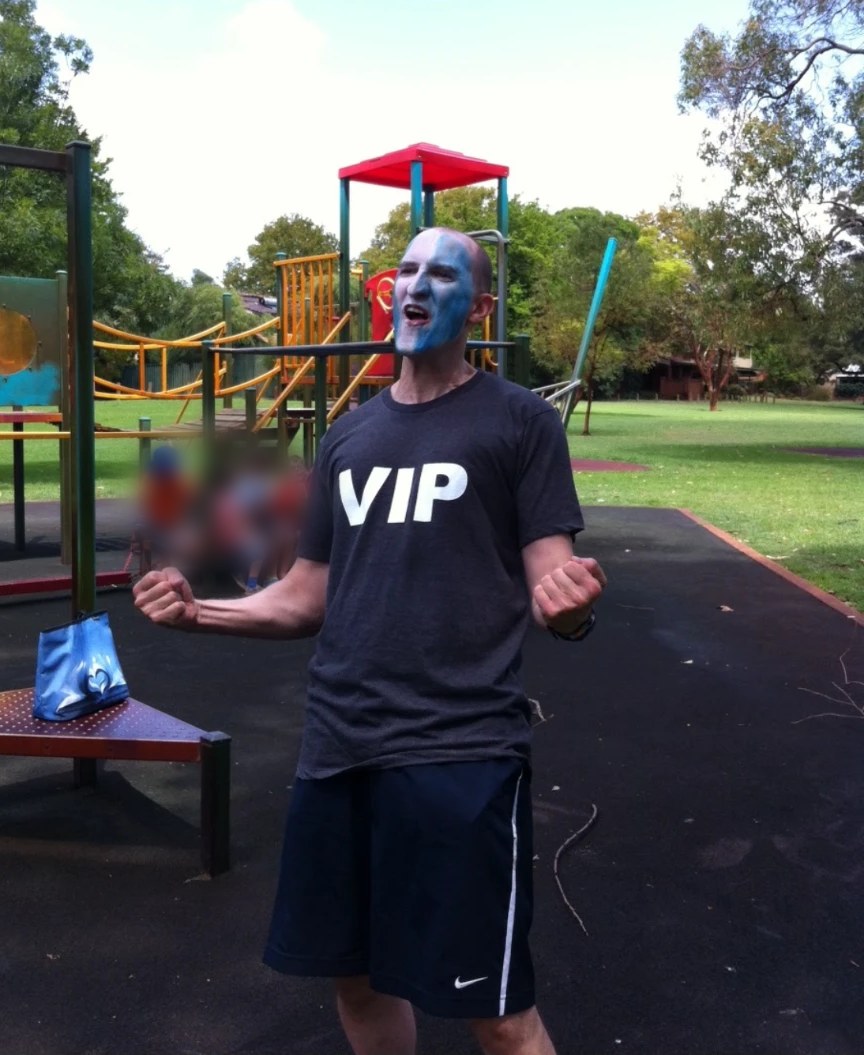
The difference between the two wasn't the format. It was the preparation, and the partners.
The plan in three steps
- Choose the cause and your partners, eight to ten weeks out.
- Fill the day: participants, sponsors, families and local people.
- Follow up with everyone who came, in the week after.
Step 1: Choose the cause and your partners
Pick a cause your members care about, and a charity with the time to help promote it. Ask them up front: will they share it with their supporters, send someone on the day, and help with local media?
Agree how donations will be collected. The simplest way is for sponsors to give straight to the charity, through the charity's own fundraising page.
Then bring in partners. Every partner brings their own audience:
- Local sports clubs can donate signed shirts and merchandise for a raffle.
- Local businesses can give prizes, food or drinks, and put up posters.
- Community groups, such as scouts or a school, can run food stalls and raise money for themselves too.
- Entertainers, such as face painters or a magician, keep children happy while parents take part.
Choose a public place with room for families, such as a park or a sports club, rather than your own floor. Local people walking past become part of it.
Step 2: Fill the day
Your members are your best promoters. Give every participant a simple pack, in your own words, with:
- A sponsor form they can carry with them, with the pledge amounts and a space for each sponsor's details.
- Three short emails to send to friends and family, three or four days apart. Many people mean to reply to the first and forget.
- A letter, followed by a phone call, for the people who matter most. The two together work far better than either alone.
- A poster to ask local shops to put up.
Then spread the word yourself:
- Send a short press release to local papers and radio, with a photo opportunity on the day.
- Ask your partners and the charity to share it with their own followers.
- Invite past enquiries and former members. It's an easy, friendly way to come back.
On the day
- A welcome table for registration, sponsor forms and raffle tickets.
- A group warm-up led by your coaches, so everyone sees what you're like.
- Heats of 90 seconds, with a counter for each participant and plenty of cheering.
- Something for everyone else: food, entertainment and the raffle.
- Photos and short videos, with permission, for the follow-up.
- A running total, announced at the end.
Keep the hard sell out of the day. A short, friendly mention of how people can train with you is enough, with a card or QR code for anyone who asks. Let the event speak for you.
Step 3: Follow up
This is where most events lose their value. In the week after:
- Thank everyone: participants, sponsors, partners, volunteers and the charity.
- Share the total, and the best photos, with everyone who came.
- Remind participants to collect their sponsors' donations, if they haven't been paid online.
- Invite non-members who took part to something easy, such as a free session or a workshop, if they agreed to hear from you.
- Thank your partners publicly, and keep in touch. They're ready-made referral partners.
Then put next year's date in the diary. An event that runs every year gets easier, and bigger.
Three more formats to try
Push-ups for Charity takes eight to ten weeks to plan. These are simpler, and each fits a time of year when people want to do something together.
A Halloween charity session
Run a normal session with a twist, free for anyone, and ask for donations instead of a fee. Members bring their children, family and friends, and everyone gets a taste of what training with you is like.
- Make it fun: fancy dress, pumpkins as workout equipment, and a spooky playlist.
- Ask for whatever people can give, with a bucket at the start and the end.
- Choose a small local charity that rarely gets the spotlight.
A food drive workout before Christmas
In the US, NPE gave its members a Thanksgiving campaign: free "turkey-busting" workouts over the holiday, where the only cost to join in was a can of food for a local food bank.
Thanksgiving means less in the UK and Australia. A boot camp owner in Sussex ran it for his camps.
When I was coaching in Australia, we adapted it for the run-up to Christmas: clients collected non-perishable food to give to people in their community who needed it.
- Pick a few dates over a week, and partner with a local food bank.
- Make the entry fee one tin or packet of non-perishable food.
- Ask members to forward the invitation to family, friends and colleagues, and to tell you how many they're bringing.
- Send a press release and photograph the food you collected. It's a story local media like.
A New Year event with a charitable twist
NPE also gave its members a New Year event called Gold Rush: a free evening on how to make the year ahead your best year ever, with a charity at its heart.
We recommended running it in January or February, when people are most ready to make a change.
- Everyone who registers gets a free gift, so the registrations become your new contacts.
- Partner businesses share it with their customers, and the charity emails its supporters too.
- A three-week countdown of emails, postcards, flyers and press releases fills the room.
- Reminders the day before and the morning of get people there. Expect about half of those who register to come.
I helped clients run them, and the best felt like an occasion, not a talk. One I went to with my partner was run by a personal training business in Surrey, at Mercedes-Benz World in Weybridge.
Guests saw the history of Mercedes, had drinks and canapés, and played roulette and other casino games with the business's own play money. It had a James Bond feel.
The guest speakers included a gold medal winner. It was a great event, and I remember it well.
The 2027 version
The format hasn't changed since we ran it, but the tools have:
| Then | Now |
|---|---|
| Paper sign-up forms | An online registration page, with a box to tick to hear from you |
| Cheques after the event | Sponsors give straight to the charity's online fundraising page |
| Emails written by each participant | Ready-made messages and a link they can share in a tap |
| A clipboard on the day | A QR code to register, or to book a free session |
| Remembering to follow up | A workflow that sends the thank-you, the total and the invitation |
In HighLevel, tag everyone who registers with the event's name. Then you can thank them, share the result and invite them back without starting from scratch next year.
Keep it on the right side of the rules
Ask the charity's permission before you use its name or logo. Raffles and prize draws have their own rules in most countries, so check with your council or regulator first.
Only add people to your marketing list if they agreed to it, and get consent before sharing photos, especially of children. This isn't legal advice.
What to measure
- Participants and sponsors.
- Money raised for the charity.
- New contacts who agreed to hear from you.
- Free sessions booked, and members who joined within 60 days.
- Media mentions and new partners.
Judge it on more than new members. A good event also brings existing members closer, and that keeps them with you.
Mistakes to avoid
- Under-preparing. Start eight to ten weeks out, not three.
- Relying on the charity to promote it. Agree what they'll do up front, and plan to do most of it yourself.
- Turning it into a sales pitch. People came to help a cause. Let them enjoy it.
- Forgetting the follow-up. The thank-you and the invitation are where new members come from.
- Doing it once. Each year builds on the last.
Questions owners ask
What is Push-ups for Charity?
A fundraising event format developed by NPE: participants do as many push-ups as they can in 90 seconds, and sponsors pledge an amount for each one. Everyone can take part, and every push-up adds to the total for the charity.
How do I choose a charity for my gym's event?
Ask your members which causes matter to them, then choose a charity with the time to help promote the event: sharing it with its supporters, sending someone on the day and helping with local media.
How far ahead should I plan a charity event?
Eight to ten weeks. That gives you time to agree the charity and partners, give participants time to find sponsors, and get the event into local papers and radio.
Can a charity event bring in new members?
Yes, if you follow up. Invite non-members who took part, and agreed to hear from you, to something easy, such as a free session or a workshop. Keep sales out of the day itself.
Should a charity event be held at my gym or studio?
A public place with room for families, such as a park or sports club, usually works better. Local people walking past become part of it, and there's room for food, entertainment and a raffle.
Sources
The approach comes from my own events with WA Bootcamps for Women, and NPE's Push-ups for Charity program. Checked in October 2026.
- NPE: Our why (opens in a new tab) (Push-ups for Charity and the Boot Campaign)

Found this useful? Share it with another owner.
I've spent 25 years in the fitness industry: on the gym floor, running my own boot camps and coaching gym and studio owners since 2012, including leading NPE Fitness's UK and European coaching team. I help independent gyms and studios get and keep more members.